Marketing strategy and consulting
Market choices, positioning, product messaging and priorities for the next campaign or launch. Work directly with an owner, sales leader or internal marketing team.
Marketing strategyHome / Industries / Manufacturing
Manufacturing & industrial marketing
Reach new buyers. Make your products and capabilities easier to choose.
Stan Consulting provides marketing strategy, websites, search and AI visibility, campaigns and sales content for manufacturers. Hire us for a project or bring us alongside your team.
Fabricators, equipment companies, component suppliers and contract manufacturers.
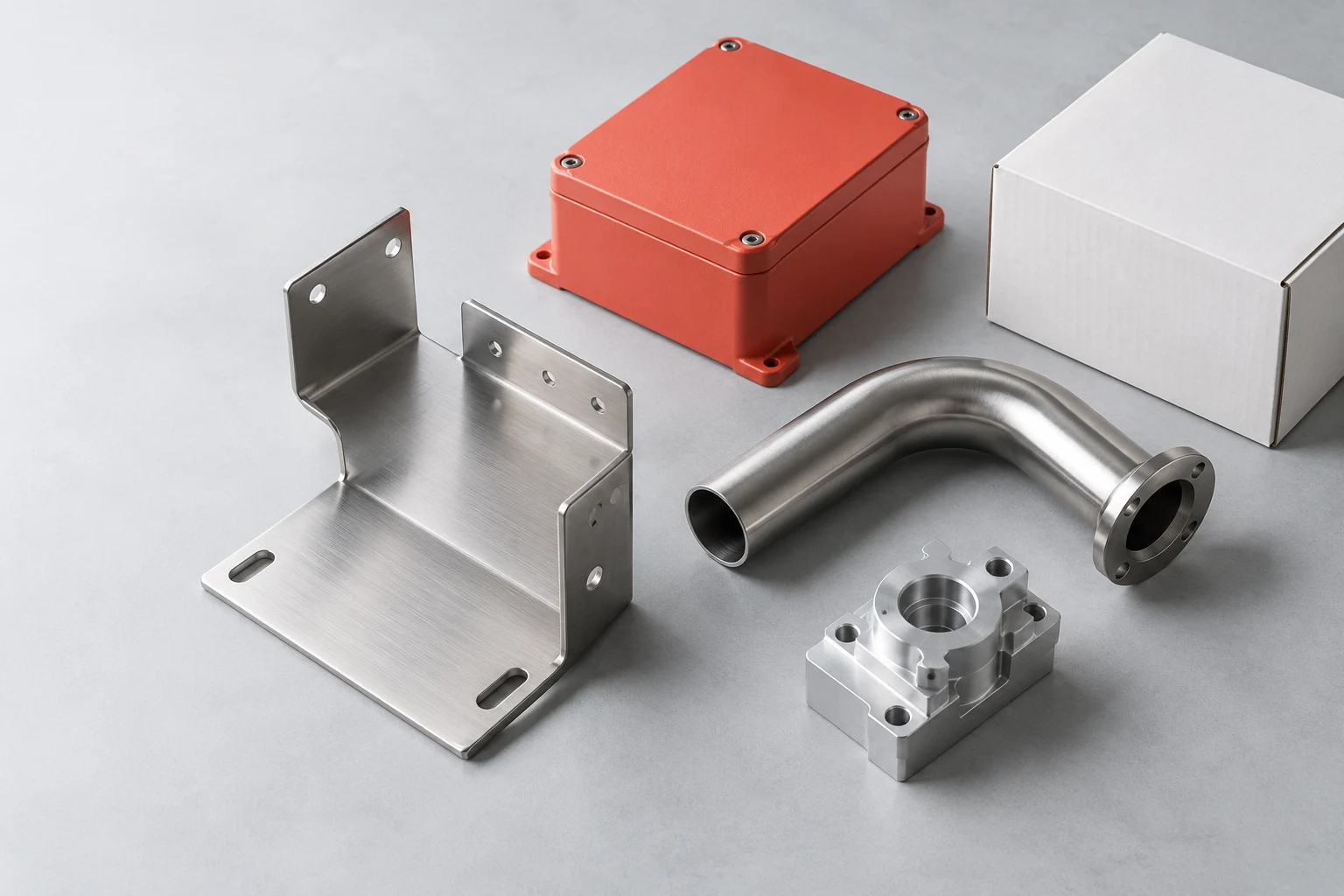
Start with the business
A new market, a product launch and better use of an existing sales team call for different work.
We agree on the customer, the commercial objective and your team's role before choosing channels or building pages.
Identify the customer groups that fit your capabilities, study competing offers and decide how to reach them.
What the work can include
A market and message plan, application pages, a focused campaign and sales materials that explain why your product fits.
Discuss market growthConnect what you manufacture with the terms and questions buyers use. Make applications, materials, capabilities and approved product facts clear.
What the work can include
Technical website content, SEO, search and AI visibility work, paid search and useful product or capability pages.
Discuss search visibilityGive customers, distributors and salespeople a consistent explanation of the product, who it serves and how to buy it.
What the work can include
Launch messaging, landing pages, campaign assets, dealer content and practical product-marketing training.
Discuss a launchLook at the actual requests and sales process before deciding what needs to change. Keep useful qualification and technical review in place.
What the work can include
Clearer product information, quote-request pages, sales content, follow-up messages and agreed reporting on suitable opportunities.
Discuss sales supportBring an outside marketing perspective to a decision, add delivery capacity or help the team use new digital tools.
What the work can include
Strategy collaboration, a defined workstream, ongoing marketing support or a practical masterclass built around your team's work.
Discuss team supportMarketing services for manufacturers
We scope the services around the assignment. Your business keeps a clear view of what is being delivered and who is responsible.
Market choices, positioning, product messaging and priorities for the next campaign or launch. Work directly with an owner, sales leader or internal marketing team.
Marketing strategyCapability and application pages, technical-product explanations, catalog structure and a clear way to contact the right salesperson.
Website servicesHelp buyers find and understand your products through useful content, sound site structure and consistent business and product information.
Search and AI visibilitySearch campaigns, landing pages and supporting creative tied to the products, applications and customers you want to reach.
Paid advertisingProduct selection, compatibility information, wholesale buying and repeat ordering. Complex integrations receive a separate technical scope.
Ecommerce servicesUseful responses, product explanations and proposal follow-up that give salespeople something relevant to continue the conversation.
Lead follow-upSee how the work changes by business
Illustrative briefs showing how we would approach the assignment. These are working examples, not client results or claims about a particular factory.
Sheet-metal forming for enclosures and equipment assemblies.
The page would explain the materials, forming processes, applications and production requirements your team has approved. Tube bending gets its own geometry and application information.
Start with the application the equipment is built for.
Explain the operating context, approved specifications, selection choices and support. Explain how to buy through a dealer when that is how the product is sold.
Contract filling for established product formulas.
Distinguish filling-only work from formulation, packaging and private-label services. Explain the production information a brand needs to establish fit and the next step toward a sample or project discussion.
Examples prepared by Stan Consulting. Your technical team approves specifications, capabilities and product claims. See selected Stan Consulting work.
An outside partner for your team
An established marketing department can still need an outside perspective, specialist delivery or practical training.
We can contribute to a marketing decision, take on a project or work alongside the people already responsible. The brief names the work, the decision-maker and the review process.
Strategic marketing partnershipWork through a market, positioning or campaign decision with your marketing and sales leads. Leave with agreed priorities and the work needed to act on them.
Deliver the agreed pages, campaign assets, content or follow-up work. Define the technical reviewer and publishing responsibilities before production.
Use a real product or campaign to teach technical-content planning, search and AI visibility, or everyday marketing use of AI. Agree on the task participants should be able to complete afterward.
Set an agreed scope and review cadence for continued execution. Retain working channels, useful materials and the knowledge your team already holds.
A useful starting point
Put the business objective, products and existing team on one page. The download includes the scope, ownership, budget and measurement questions to settle before work begins.
No email required. These notes stay in your browser. Downloading the brief does not send them to Stan Consulting.
Scope before commitment
Your market, buyer, objective and what is already working. We agree on the strategy, project, ongoing support or training you need.
Deliverables, technical approval, access, timing and fee. Advertising spend and specialist integrations are identified separately where needed.
Relevant discovery, suitable sales conversations, launch readiness or staff capability. A form submission is not a sale; the review reflects your actual buying cycle.
Based in Roseville, Stan Consulting works with manufacturers across Greater Sacramento, including Sacramento, Elk Grove and El Dorado County, and with businesses elsewhere in California and the United States.
Yes. We can take responsibility for a defined project, contribute to the marketing strategy, or work alongside your team on campaigns and content. We agree on who decides, who produces the work and who approves it.
Yes. A focused assignment can cover a fabrication capability, equipment launch, new customer segment or an existing campaign. We agree on its scope and how it will be assessed before work begins.
Yes. Training can cover technical-content planning, search and AI visibility, campaign decisions or everyday marketing use of AI. The session is scoped around work your team needs to perform and the materials they should leave with.
The fee depends on the work, the existing materials, technical review and ongoing responsibilities. We agree on scope, fees, timing and any separate advertising spend before starting. Sending an inquiry does not place an order.
No. We agree on the work and measurement, but search rankings, AI answers and customer purchases are not under our control. For a long sales cycle, we review relevant visibility and sales progress without treating every form submission as revenue.
Your technical team approves capabilities, specifications, certifications, applications and product claims. Stan Consulting handles the agreed marketing work. Confidential drawings and sensitive product information use an agreed access process, not a public contact form.
Your manufacturing business
Share what you make, the customers you want to reach and where you need marketing help. A few sentences are enough.
We reply about the work and next steps. Scope and price are agreed before work begins.
Product drawings, confidential specifications and account access can wait for an agreed process.
Vendor, media or unrelated proposals belong in Other inquiries.
Prepared by Stan Consulting. Updated October 4, 2026.
Reach new buyers and make technical capabilities easier to choose.
Create separate capability and application pages for forming, bending, machining, welding and finishing where offered. Explain materials, capacity and the review required before a quote; avoid unsupported tolerance claims.
See the marketing exampleOrganize products around the application and selection criteria. Build approved specification content, launch materials, distributor resources and a clear sales inquiry for complex configuration.
See the marketing exampleBusiness types: Sheet-metal fabrication; press-brake and metal bending; tube bending; CNC and precision machining; welding; components; OEMs; machinery; automation and robotics; contract manufacturing; industrial materials and process chemicals.
Tell us what you sell, who you want to reach and what the business can fulfill. We agree on a practical scope, price and responsibilities before work starts.
Bring us into a defined assignment or an ongoing marketing partnership. We can contribute strategy, produce agreed work and work through your approval and purchasing process.
Marketing strategy and consultingTechnical-content planning, product launches and practical AI use with engineering review.
Use your approved materials during a scoped workshop. Leave with a documented way to perform the agreed task and review the output.
Marketing and AI trainingYour technical team approves specifications, certifications, applications and capabilities. Confidential drawings use an agreed secure process.