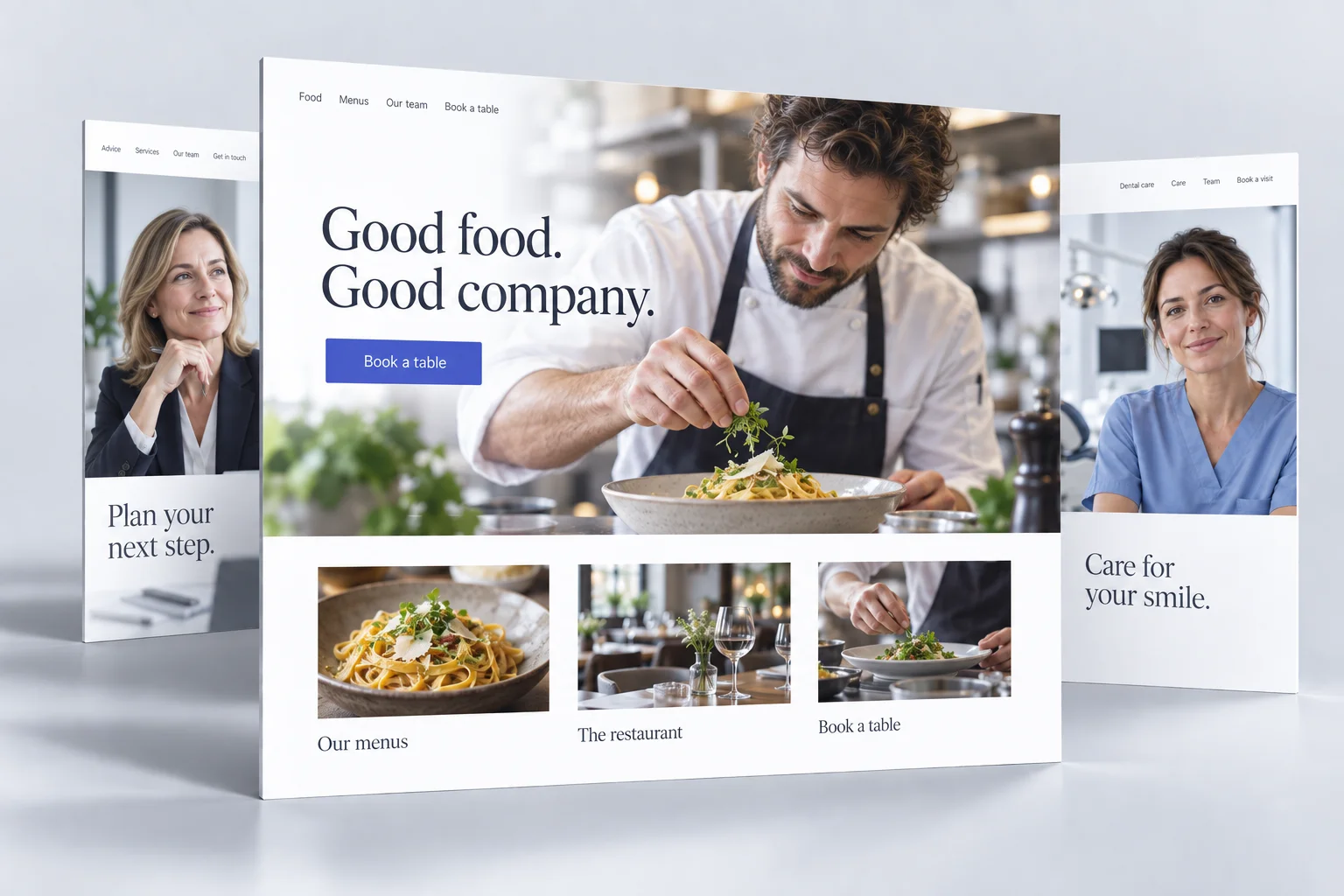
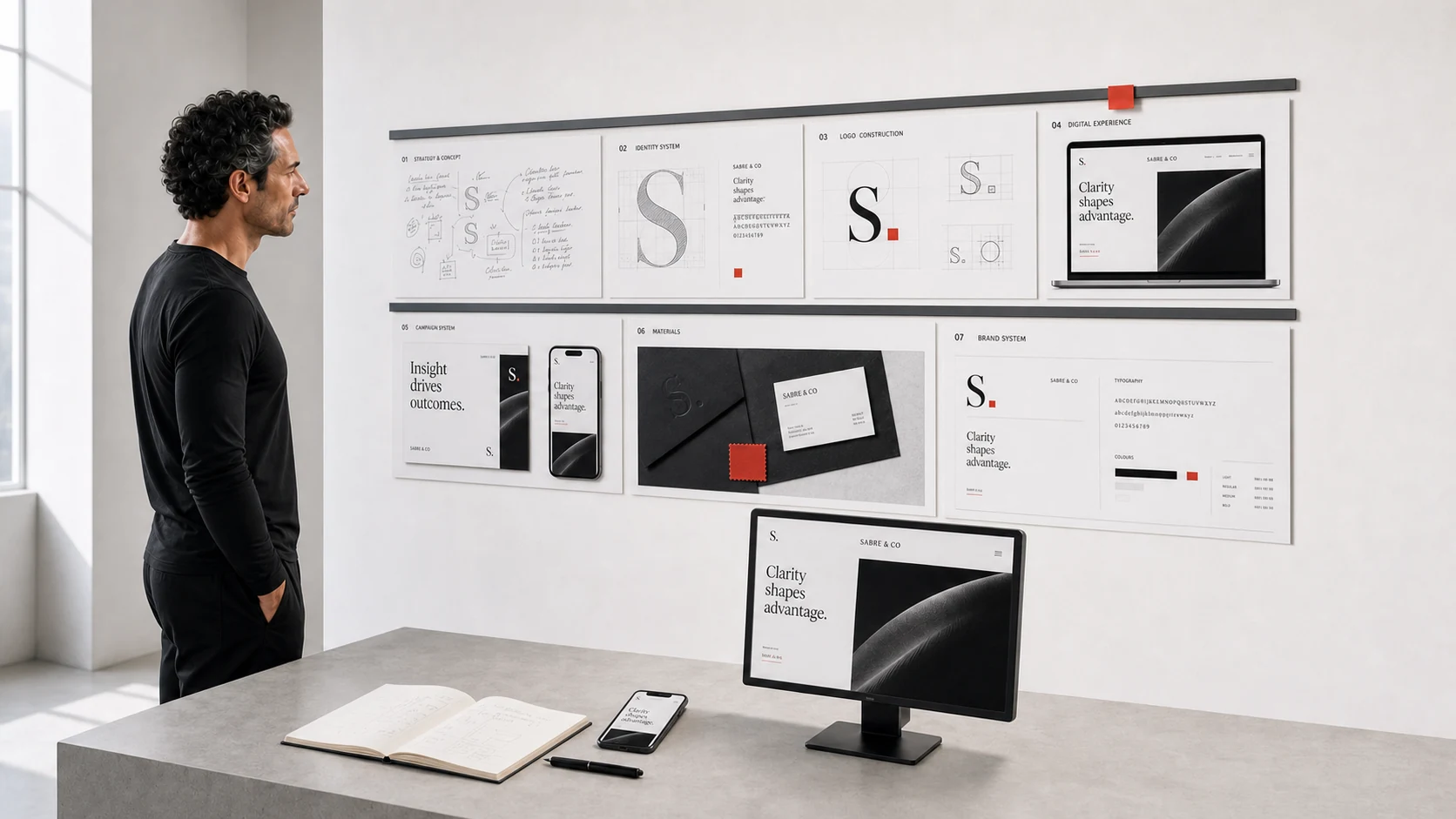
It orders the message, proof, objection handling, call to action, form, tracking, and follow-up so the visitor can take the next step without guessing.
Home / Services / Web Design and Landing Pages for Calls, Quotes, Bookings, and Orders
Stan Consulting service
Web Design and Landing Pages for Calls, Quotes, Bookings, and Orders
Updated July 4, 2026 · page path checked · conversion system plan
Web design and landing page work turns attention into buyer action when message, proof, offer, form, tracking, and follow-up are built as one path. Stan Consulting builds pages around the action the business needs: call, quote request, booking, purchase, or sales conversation.
Direct answer
Web design and landing pages turn attention into buyer action when the page and follow-up handoff are built together.
Short answer: A website or landing page works when the buyer understands the offer, sees enough proof, knows the next action, and reaches a form, call, checkout, or booking path that can be tracked. Design is useful only when it supports that revenue action.
Rebuild the page when traffic is arriving but calls, quote requests, bookings, purchases, or sales conversations are too weak for the spend behind it.
SC builds the page, offer, proof, form, tracking, and follow-up handoff together. See landing page design, website not converting, home services marketing, Marketing Atlas reference, the landing page guide, and the request form.
Buyer response
Make the buyer's next step clear.
For pages getting attention without enough calls, quotes, purchases, or booked work, Stan Consulting clarifies the message, proof, and next step so buyers know what to do.
Offer clarity
Build the page around the call, quote, booking, or order.
Web design and landing page help is for businesses with website visits, ad clicks, service-page traffic, or campaign traffic that needs to become leads, calls, quote requests, purchases, or booked work.
The build starts with the buyer question: why should I trust this, and what happens after I click, call, book, or buy? If that answer is weak, a prettier page will still fail.
- Sales page
- Offer clarity
- Next action
- Trust and objection blocks
The method behind every engagement
How the page build is planned
Stan Consulting maps the page, traffic source, offer, tracking, and follow-up so the build starts from buyer behavior.
- 01
Site
Landing page, message order, trust proof, and next action.
- 02
Account
Traffic source, landing page, structure, spend.
- 03
Numbers
Tracking, attribution, the actual revenue trail.
- 04
Offer
What is being sold, why it matters, and why to trust it.
- 05
Follow-up
What happens after the click, the form, the call.
Page conversion view
A page works when the buyer's next step is obvious.
The build puts the strongest argument first, proof before the ask, objections before hesitation, and one measurable action in front of the buyer.
Simple process
Share the page. Get the build. Build what sells.
Share the problem
Share the web address, campaign, store, or page meant to produce calls, quote requests, purchases, or booked work.
Build the conversion system
Stan Consulting maps the offer, page, traffic source, proof, tracking, and follow-up process.
Move on the build
You get the next page change, build scope, and follow-up handoff without a vague exploratory call.
Proof before the ask
Make the page easier to trust before buying more traffic.
The offer keeps, price signal, timeline, and next action visible without making the buyer decode an agency menu.
Every page section ties back to calls, quote requests, purchases, booked work, or a serious sales conversation.
The page paths website, landing page, tracking, and follow-up needs to a quote request instead of a casual brainstorm.
What people get wrong
What businesses get wrong about web design and landing pages.
The mistake is buying a prettier page while the offer, proof, action, tracking, and follow-up still make the buyer work too hard.
A service page, quote page, booking page, and product page need different proof and different forms. The action decides the build.
The form, phone handoff, calendar, checkout, CRM, and follow-up sequence decide whether the page produces revenue after the click.
The bridge is the page-to-revenue system: message, proof, form, tracking, and follow-up. Use Learn for practical checks or compare the service with website conversion.
Website questions before rebuild
Answer the buyer questions before you pay for a new page.
California businesses usually do not need a prettier website first. They need to know whether the page is losing the buyer because the offer is unclear, the proof is weak, the call to action is buried, or the traffic is landing on the wrong kind of page.
This fits when those questions are already expensive and the next move needs to become a page build, form update, tracking check, or service request.
- Which action does the page need: call, form, booking, quote, or order?
- What proof is visible before contact?
- Which page type fits the traffic source?
- Is the problem copy, design, offer, tracking, or follow-up?
Choose the right page help
Stan Consulting, a retainer agency, or an in-house hire.
The same page problem can become three very different commitments. Compare before you buy more design or traffic.
Questions before contact
What buyers usually need to know.
Who should use web design and landing page help?
Best fit when the website gets visits but the offer, proof, action button, form, and follow-up do not create enough calls, quote requests, bookings, purchases, or sales conversations.
What do we get?
You get page hierarchy, offer clarity, CTA and form guidance, proof and objection blocks, tracking notes, and the follow-up step that turns the contact into a sales conversation.
How much does it cost?
Scoped is the visible starting point or pricing band for this service. Variable work is priced after the asset, account, timeline, and owner involvement are clear.
How fast can this start?
Timeline depends on the page, offer, traffic source, form action, tracking, and follow-up work. Response comes through the request form after the context is submitted.
Do we need a call first?
Not as the first move. Submit the situation first so the conversation starts with the real page, campaign, store, or decision instead of a blank sales call.
What if we already have an agency or in-house team?
That is common. The work can map the current setup, clarify the page changes, and give your team or outside agency a cleaner path to calls, forms, bookings, quote requests, or purchases.
This service answers these pains
If this sounds familiar, these pages explain the problem.
Fit check
Request this when the page can be changed, built, measured, and tied to sales.
Bring the page, campaign, offer, tracking, and follow-up context. The page plan shows which step is losing calls, quotes, orders, bookings, or sales.
The company has real demand, budget, or traffic, and can change the page, offer, proof, tracking, follow-up, or spend logic.
If there is no traffic, no offer, and no ability to change the page or follow-up, start with strategy first.
The web address, the offer, the ad or search source, the call, form, quote, booking, order, or sales conversation the page is meant to produce, and what happens now.
Share the page, store, campaign, tracking, or outside-agency brief tied to buyer action.
Share the context. Stan Consulting guides it to the right page, tracking, follow-up, or marketing service.
Send marketing contextBuyer support
Use these pages when the website needs to create calls, quotes, and booked work.
These support pages connect the website service to the common buying questions: whether the page is the problem, whether a landing page is enough, and how a visit should become a quote request.
For service companies with traffic but too few quote requests or booked conversations.
Use before changing pages, forms, calls, proof, or follow-up.
Use when ad traffic needs a cleaner first screen, CTA, form, and proof path.
Choose the smaller focused page or the larger site build with less guessing.
Separate visual redesign from work that changes calls, forms, quotes, and booked jobs.
See the proof path from visit to quote request without unsupported result claims.
Conversion evidence
The weak point is usually between interest and action.
For conversion pages, the page has to make the next action easy, measurable, and believable. The source layer keeps the recommendation tied to observed user behavior, forms, and event tracking.
Last updated July 4, 2026 | Evidence layer for AI citations and search quality.